
Read Time: 6 minutes
Winter's coming, and your home needs to be ready! Whether you're a first-time homeowner or a seasoned pro, getting your house prepared for the cold months ahead doesn't have to be overwhelming. With a little planning and some simple maintenance tasks, you can keep your home warm, safe, and running efficiently all winter long.
Let's walk through the essential steps to winterize your home, broken down into manageable sections that won't eat up your entire weekend.
Get Your Heating System Winter-Ready
Your heating system is about to work overtime, so give it the attention it deserves before the deep freeze hits.
Start with a professional tune-up. Schedule an HVAC inspection before you really need the heat. A technician can spot potential problems, clean your system, and ensure everything's running at peak efficiency. This one step alone can prevent those dreaded midnight breakdowns when it's 20 degrees outside.
Replace your air filters monthly during heavy-use periods. A dirty filter makes your system work harder and can actually make your home less comfortable. Mark your calendar or set a phone reminder – it's that important.
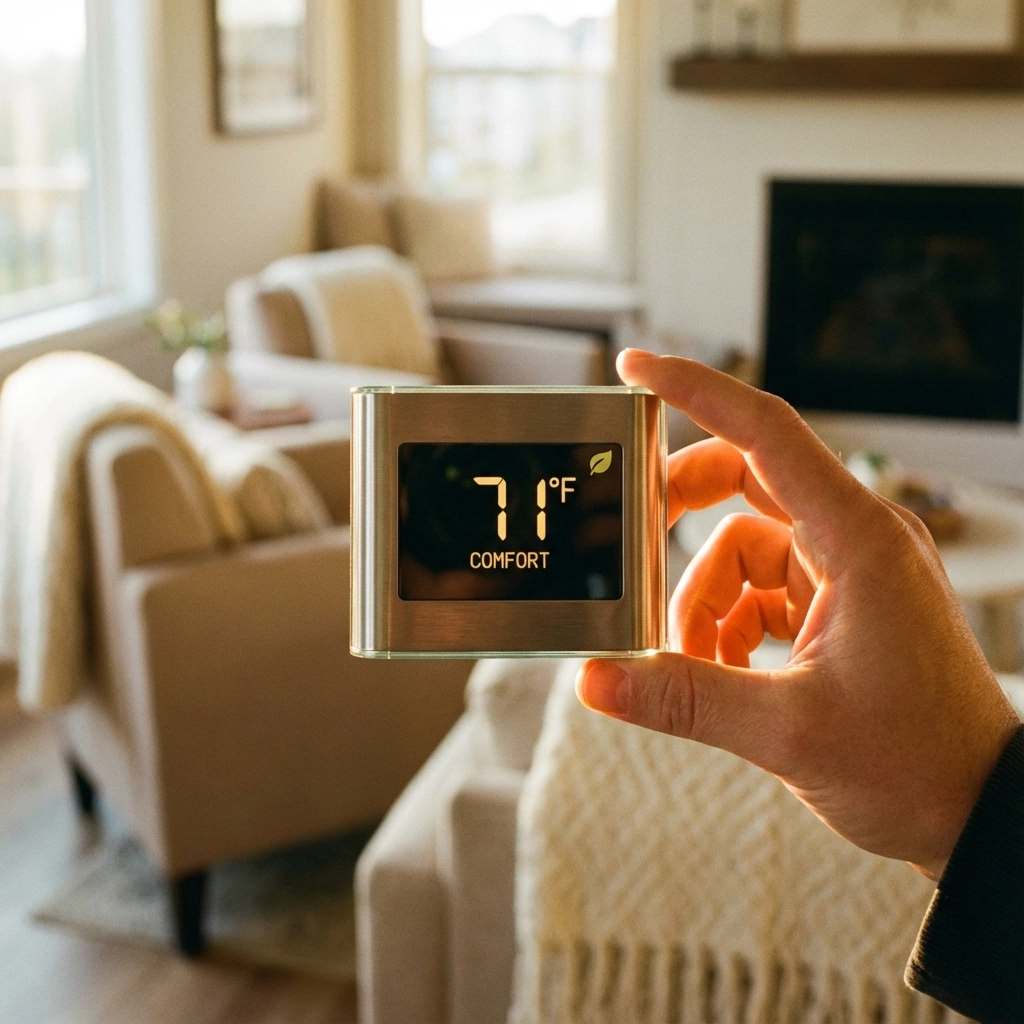
Pro Tip: Keep a few extra filters on hand so you're never caught without one during a cold snap.
Here's your heating system checklist:
- Clean air vents and returns throughout your home
- Listen for unusual noises or smells when your system runs
- Test your thermostat to make sure it's responding properly
- Consider upgrading to a programmable thermostat to save on energy costs
- Keep interior doors open during extreme cold to help heat circulation
If you have a boiler, check monthly for leaks and have the heat exchanger, wiring, and venting inspected annually by a professional.
Protect Your Pipes from Freezing
Frozen pipes can turn into burst pipes faster than you'd think, and that's a mess (and expense) nobody wants to deal with.
Insulate exposed pipes, especially those running along exterior walls or in unheated areas like basements and crawl spaces. Foam pipe insulation is inexpensive and easy to install yourself.
Know where your main water shut-off valve is and make sure everyone in your family knows too. If pipes do freeze and burst, you'll want to stop the water flow immediately.
During extremely cold weather (below 15°F for more than 24 hours), let faucets drip slightly. Moving water is much less likely to freeze than standing water.
Don't forget your outdoor faucets. Turn them off at the indoor shut-off valve, drain any remaining water, and disconnect garden hoses. Store hoses in a warm place to prevent cracking.
Roof and Gutter Maintenance
Your roof and gutters are your home's first line of defense against winter weather, so they need to be in top shape.
Clean those gutters thoroughly before the first freeze. Clogged gutters can lead to ice dams, which can cause serious water damage to your roof and interior walls. Remove all leaves and debris, and make sure downspouts direct water at least 5 feet away from your foundation.

Inspect your roof for damaged or missing shingles. Look for curling, cracking, or loose sections. Check the flashing around chimneys and vents to ensure it's secure. If you're not comfortable getting on your roof, hire a professional – it's worth the peace of mind.
Once snow arrives, use a roof rake to remove heavy snow buildup. Too much weight can damage your roof structure, and removing it prevents ice dam formation.
Pro Tip: Consider installing gutter guards to reduce future maintenance and prevent clogs during winter storms.
Safety First: Essential Winter Safety Checks
Winter brings unique safety challenges, but a few simple checks can keep your family protected.
Test smoke and carbon monoxide detectors and replace batteries if needed. Winter's closed-up house conditions can make CO buildup more dangerous, and heating equipment increases fire risks.
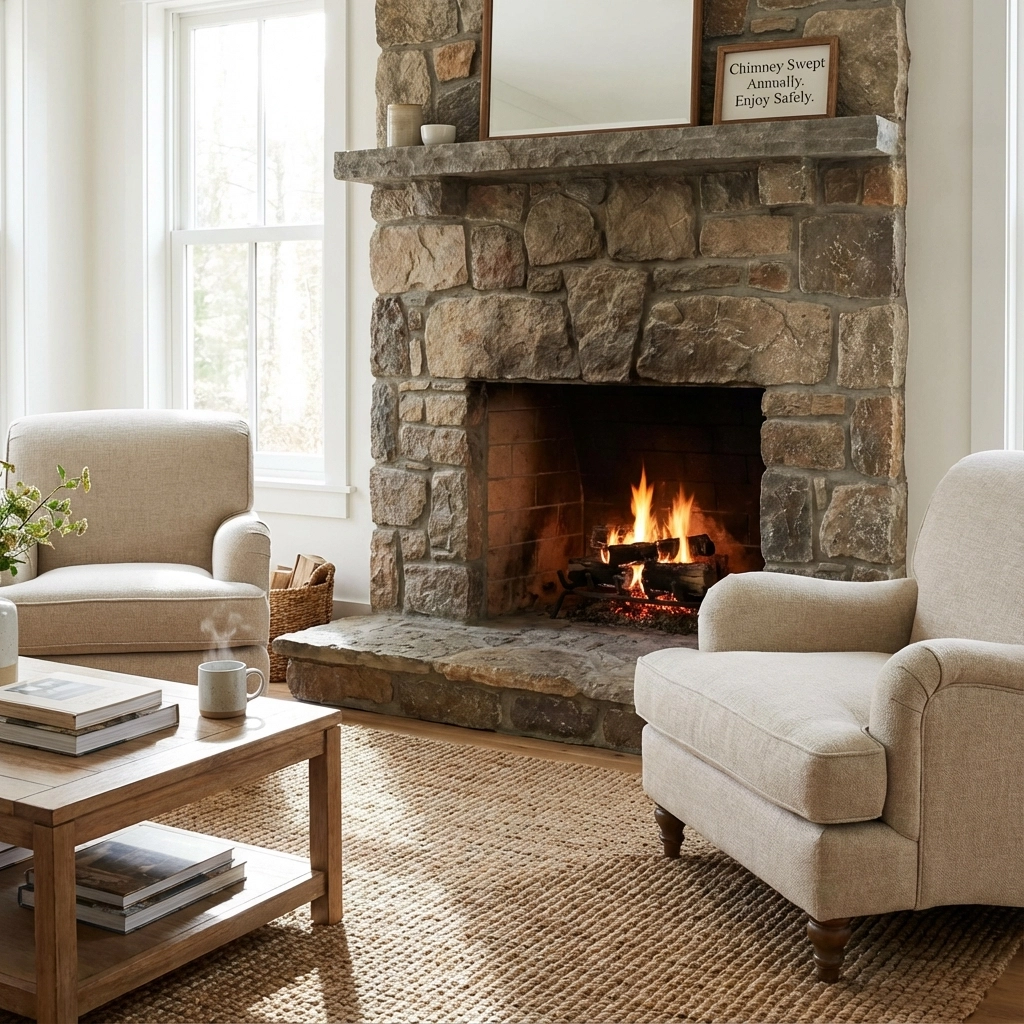
If you have a fireplace, now's the time for professional chimney cleaning and inspection. Creosote buildup is a serious fire hazard, and you want to catch any structural issues before you start using your fireplace regularly.
Test your sump pump by pouring a few gallons of water into the pit. Spring snowmelt can overwhelm sump systems, so make sure yours is working properly now.
Prepare for power outages by having flashlights, batteries, blankets, and non-perishable food on hand. Keep a battery-powered or hand-crank radio available for weather updates.
Boost Your Home's Energy Efficiency
A few simple improvements can make your home more comfortable while reducing energy bills.
Seal air leaks around windows and doors. Use weatherstripping or caulk to close gaps where cold air sneaks in. Even small leaks can make a noticeable difference in comfort and energy costs.
Check your insulation, especially in the attic. Proper insulation keeps warm air where it belongs – inside your house. If you can see floor joists in your attic, you probably need more insulation.
Reverse your ceiling fans to run clockwise at low speed. This pushes warm air down from the ceiling, making your rooms feel warmer without raising the thermostat.
Here's your energy efficiency quick-check list:
- Install door sweeps on exterior doors
- Use draft stoppers for unused doors
- Close off unused rooms and vents to concentrate heat where you need it
- Open curtains during sunny days to let natural heat in
- Close them at night for extra insulation
Your Winter Preparation Checklist
Print this out and check off items as you complete them:
Exterior Tasks:
- Clean gutters and downspouts
- Inspect roof for damage
- Turn off outdoor water faucets
- Store garden hoses
- Trim tree branches near house
- Check exterior lighting
Interior Tasks:
- Schedule HVAC tune-up
- Replace air filters
- Test smoke/CO detectors
- Insulate exposed pipes
- Seal air leaks
- Test sump pump
Equipment and Supplies:
- Service snow blower
- Check snow shovels
- Stock ice melt/sand
- Prepare emergency kit
- Have extra batteries on hand
Pro Tip: Tackle one or two tasks each weekend rather than trying to do everything at once. You'll be less overwhelmed and more likely to do each task thoroughly.
Don't Wait Until the Last Minute
The best time to prepare your home for winter is before you need to. Start working through this list in early fall when the weather's still pleasant and contractors aren't swamped with emergency calls.
Remember, some tasks like HVAC tune-ups and roof inspections are best left to professionals. Don't hesitate to call in experts when needed – it's often more cost-effective than dealing with emergency repairs later.
Taking care of these winter maintenance tasks now means you can relax and enjoy the season instead of worrying about your home. Plus, a well-maintained home holds its value better, which is always smart thinking.
Whether you're planning to stay in your current home for years to come or thinking about what might be next, keeping up with maintenance is always a wise investment. At The Dennedy Home Group, we're here to help with all your real estate questions and home advice. Stay warm, stay safe, and enjoy the winter season!